Sanity CMS
How We Use ChatGPT Plugins to Manage Sanity CMS
AAyush Kumar5 Min Read
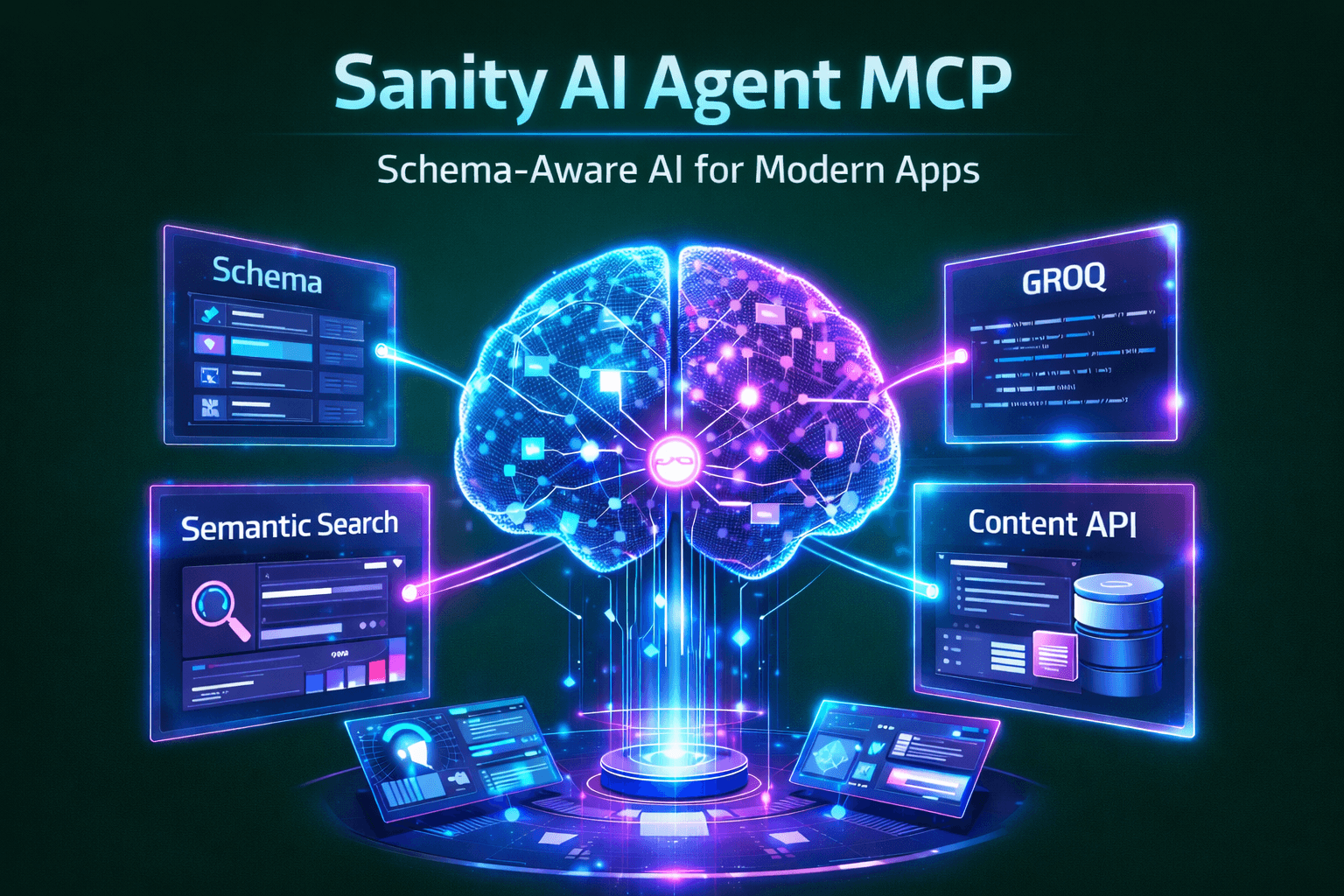
Managing a modern content platform involves much more than writing and publishing pages. Teams need to understand schemas, locate the right documents, check SEO fields, manage drafts, validate references and avoid accidental changes. We are using ChatGPT plugins to make many of these Sanity CMS tasks faster and easier to perform through a conversational workflow.
Instead of moving through multiple Studio screens for every small operation, we can describe the result we need in plain English. ChatGPT can inspect the connected Sanity project, query the relevant dataset and return a clear answer—or prepare a controlled content change when requested.
The Sanity plugin gives ChatGPT controlled access to supported project operations. Depending on the request and available permissions, it can inspect projects, datasets, schemas, documents, categories, releases and Studio deployments. It can also query content with GROQ and help create or update structured documents.
This does not replace Sanity Studio. Studio remains the visual editorial workspace, while ChatGPT provides another interface for analysis, content preparation and carefully scoped operations.
Before creating a document, we first ask ChatGPT to inspect the relevant Sanity schema. This is important because a blog post is not only a title and body. Our post schema includes category references, tags, author information, publication data, social metadata, FAQ content, search controls and fields designed for AI answer engines.
A typical schema-first workflow is:
This process reduces missing fields and prevents us from inventing references that do not exist in the dataset.
We can ask questions such as “How many published blog posts do we have?”, “Show the latest ten posts”, or “Which posts belong to the Sanity CMS category?” ChatGPT translates the request into a precise content query and presents the result in a readable format.
The plugin can help identify posts with missing slugs, images, authors, meta descriptions, categories or review dates. It can also compare fields across documents and highlight inconsistent values for editorial review.
When we request a new article, ChatGPT can inspect the post schema and prepare Portable Text blocks, references, SEO metadata, FAQ entries and AI-search fields in the structure Sanity expects. Creating a draft first keeps the final publishing decision with the editorial team.
A complete post can include a focused meta title, meta description, Open Graph title and description, Twitter metadata, canonical URL and robots settings. Having these fields prepared together reduces the chance that a page launches with incomplete search or sharing information.
Our schema includes an AI summary, a standalone search snippet, key facts, target questions and direct answers. ChatGPT is well suited to preparing concise, factual versions of the article’s main ideas for these fields while keeping them aligned with the full content.
The integration can support creating drafts, publishing approved documents, moving content back to drafts and working with releases. We treat publishing and other high-impact actions as explicit operations that require a clear request and confirmation.
Conversational content management is most useful when the scope is precise. We follow several practical rules:
These rules make the workflow predictable and help protect unrelated content.
For this article, ChatGPT first inspected the post schema and identified every top-level field. It then reviewed existing category and author conventions, checked whether the proposed slug already existed and selected a valid Sanity CMS category reference. It also used a related image asset already present in the project, so no existing document or asset needed to be modified.
The article was prepared with Portable Text content, FAQs, SEO metadata, social metadata and AI-optimization fields. It was created as a new draft so it could be reviewed in Sanity Studio before publication.
ChatGPT can accelerate repetitive work, but editorial judgment remains essential. A person should verify brand voice, technical accuracy, claims, links, image suitability and final formatting. The content owner should also decide when a draft is ready to publish.
The strongest workflow combines AI-assisted preparation with human review. ChatGPT handles structured inspection and first-pass content work, while editors retain control over quality and publication.
Using ChatGPT plugins with Sanity CMS gives us a practical conversational layer for content operations. We can query the content lake, understand schemas, audit documents and prepare complete drafts without losing the structured-data benefits of a headless CMS.
The key is disciplined scope: inspect first, use valid references, create drafts, verify changes and keep high-impact actions explicit. With those safeguards, ChatGPT and Sanity can work together as an efficient content-management workflow.
Practical takeaway
Start with read-only queries and schema inspection. Add controlled draft creation after your team agrees on review and publishing rules.
Need help connecting Sanity CMS, Next.js and AI-assisted content operations? Talk to Murmu Software Infotech.
Yes. With a connected Sanity plugin and appropriate permissions, ChatGPT can inspect schemas, query documents and assist with supported content operations such as creating structured drafts.
No. ChatGPT provides a conversational interface for analysis and supported operations, while Sanity Studio remains the visual workspace for editors and content teams.
Supported integrations can publish documents when explicitly requested and authorized. A safer workflow is to create a draft first and publish only after human review.
Use narrow requests, inspect schemas first, reference exact documents, create drafts by default and verify every write operation. High-impact or bulk changes should require explicit confirmation.
ChatGPT can prepare structured body content, categories, tags, author details, FAQs, SEO metadata, social metadata and AI-search fields when those fields exist in the Sanity schema.