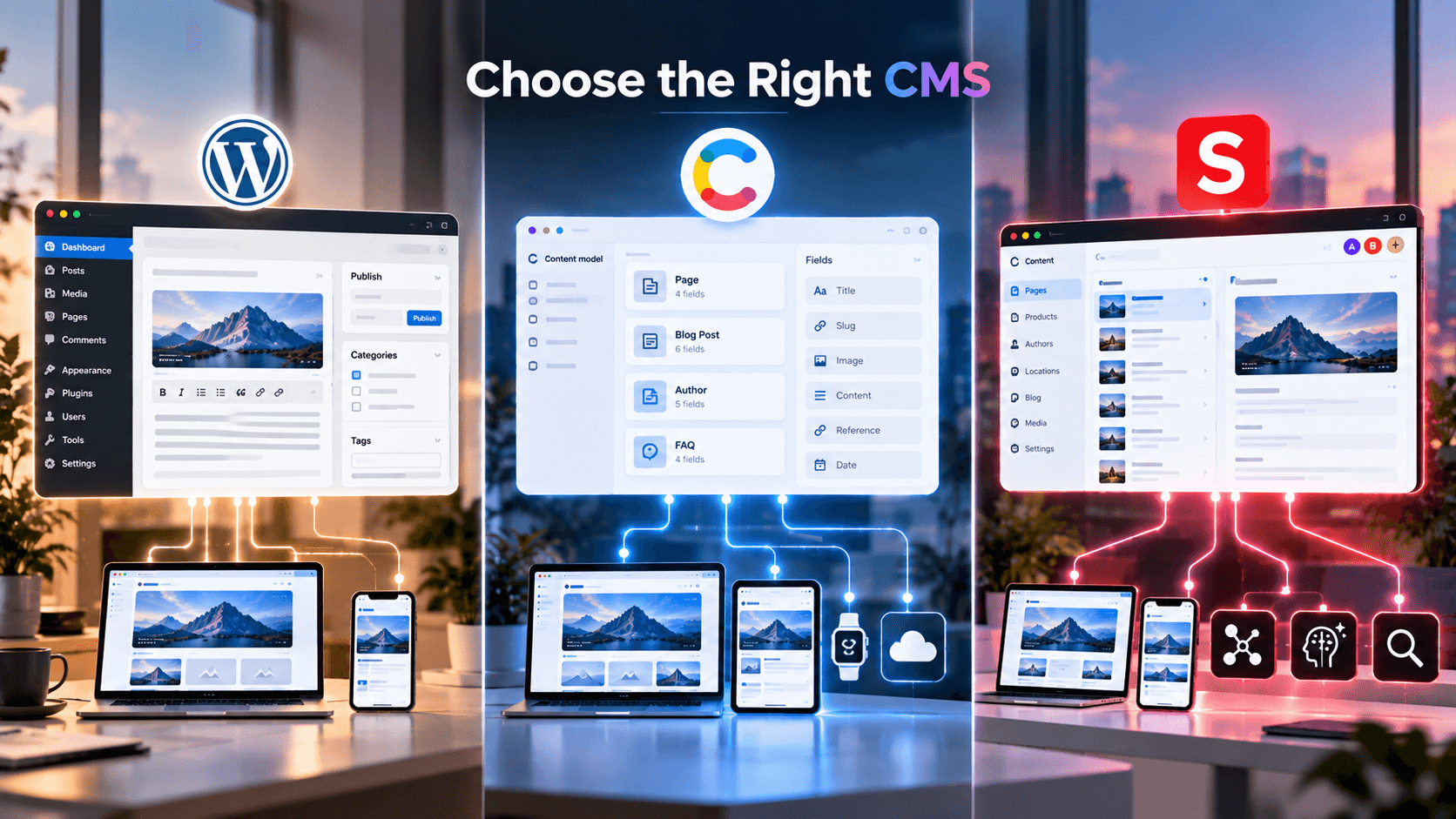
When Should a Business Choose Custom Software Instead of Ready-Made Tools?
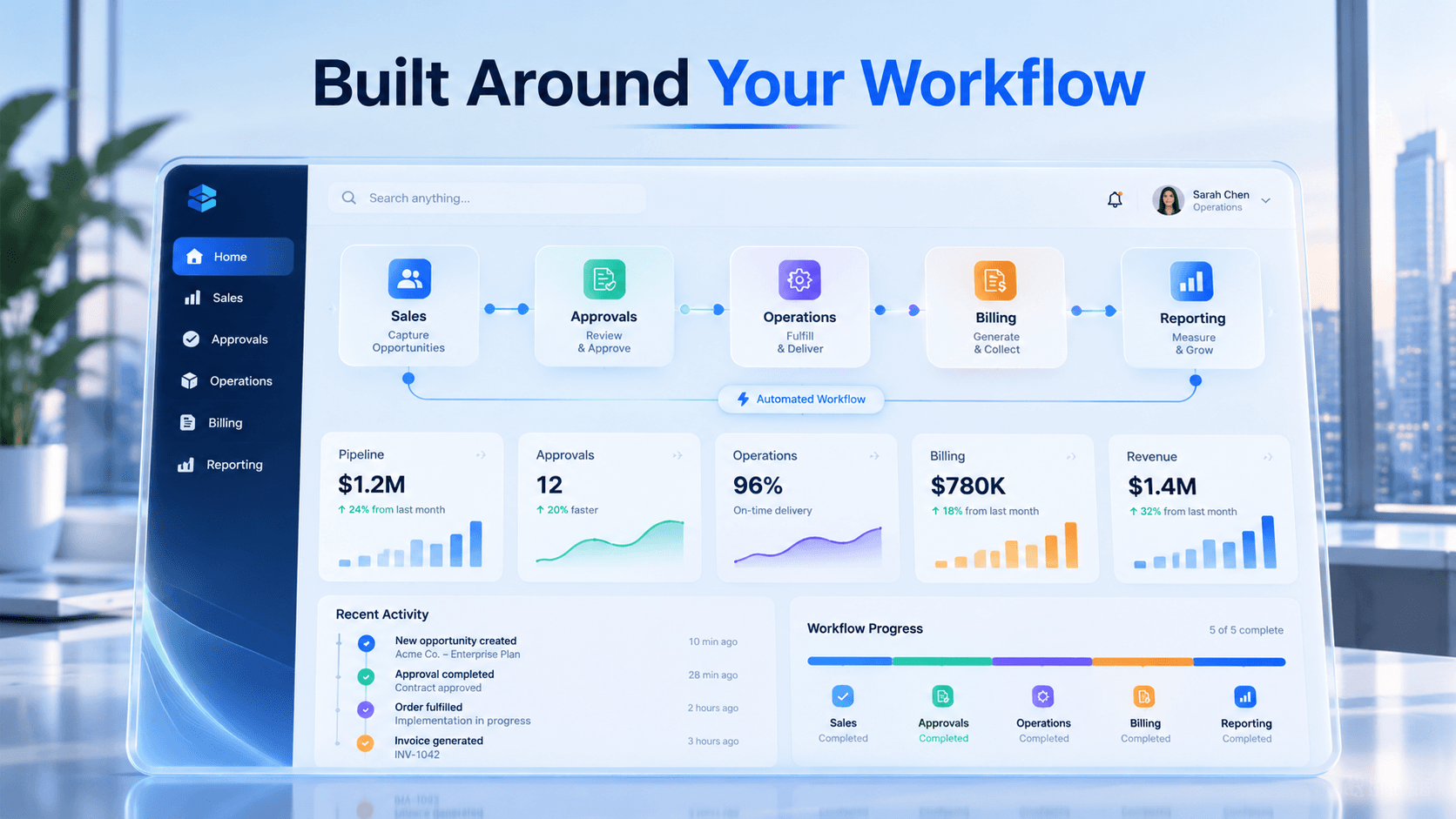
In This Article
- Ready-Made Software Is Not the Enemy
- 1. Your Business Is Running on Excel Workarounds
- 2. WhatsApp Has Become Part of Your Core Workflow
- 3. You Are Paying for Too Many Disconnected SaaS Tools
- 4. Your Team Enters the Same Data More Than Once
- 5. Reporting Takes Hours Instead of Seconds
- 6. Your Workflow Is Unique
- 7. Subscription Costs Grow Faster Than Business Value
- 8. Growth Is Making Your Current System Harder to Manage
- Custom vs Ready-Made Software: Consider the Hybrid Option
- The Best Time to Build Custom Software
Most businesses do not start with custom software.
They start with Excel sheets, WhatsApp groups, accounting software, CRM subscriptions, project management tools, shared documents and other ready-made SaaS products.
And that is often the right decision.
Ready-made software can be inexpensive, quick to implement and perfectly capable of handling standard business processes. The problem begins when the business grows but its software stack does not grow with it.
Employees start copying information between systems. Reports require hours of manual work. Important approvals happen on WhatsApp. Teams maintain multiple spreadsheets because the main software cannot handle the actual workflow.
Ready-Made Software Is Not the Enemy
Businesses should not build custom software simply because custom sounds more advanced.
If your requirements are standard, a proven SaaS product may be the better choice.
Accounting, email, basic CRM, team communication, file storage and simple project management are common examples where an established tool can provide excellent value.
Ready-made software generally makes sense when:
- your workflow is relatively standard;
- you need to deploy quickly;
- the existing product already covers most requirements;
- customization is minimal;
- integrations are straightforward;
- and software is not a key competitive differentiator.
Custom software starts becoming attractive when those conditions stop being true.
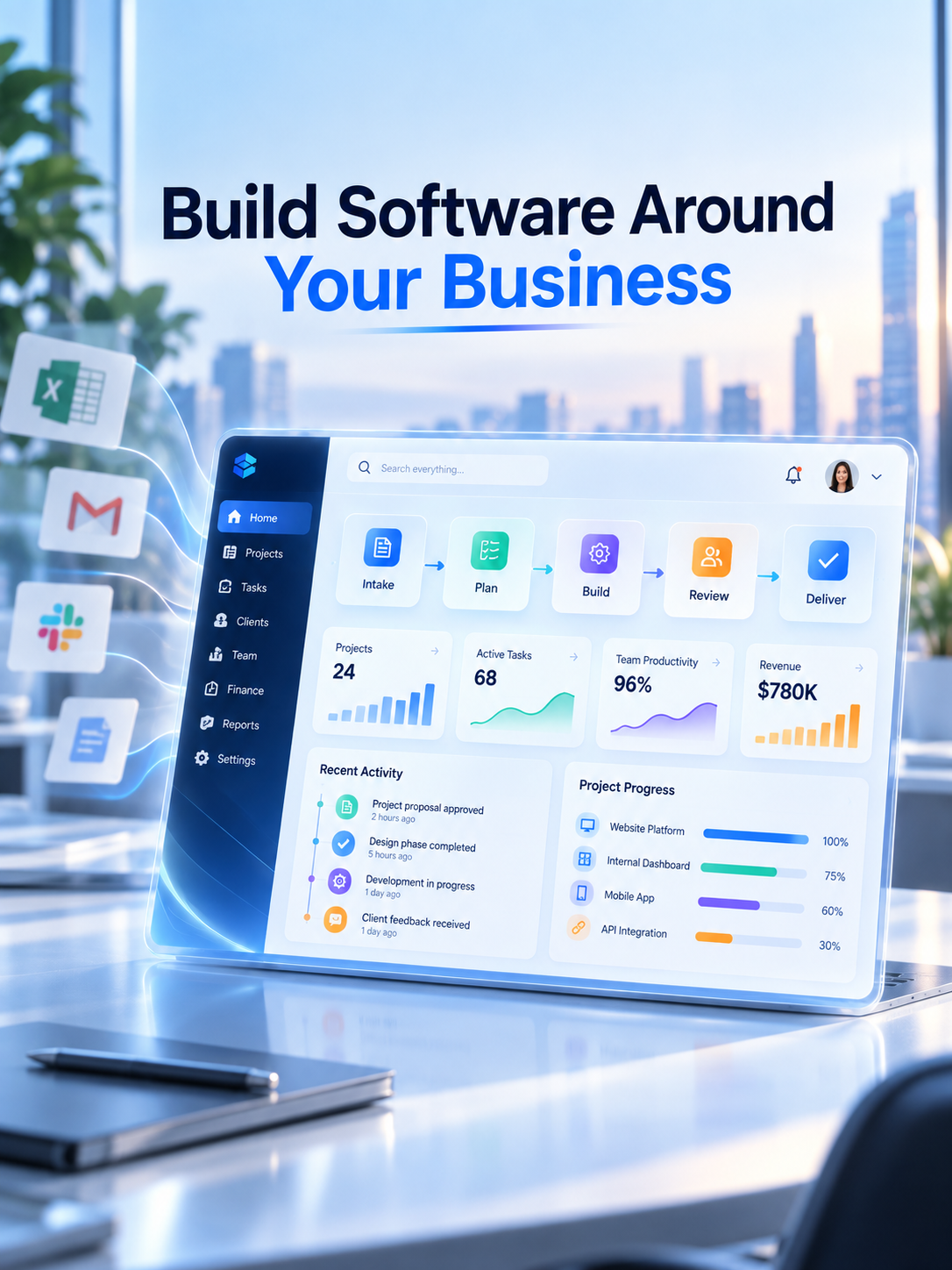
Build Software Around Your Business
Replace disconnected tools and manual workflows with custom software designed for your operations, automation, reporting, integrations, and scalable growth.
1. Your Business Is Running on Excel Workarounds
Excel is powerful. It becomes a problem when spreadsheets effectively become your business operating system.
Warning signs include multiple versions of the same file, employees manually consolidating reports, formulas breaking, approvals happening outside the spreadsheet and managers depending on one person who understands how everything works.
The problem is not Excel itself.
The problem is that structured business processes sales, inventory, approvals, operations, customer management, finance or reporting have outgrown spreadsheets.
Custom business software can convert those disconnected processes into controlled workflows with centralized data, permissions, dashboards and automation.
2. WhatsApp Has Become Part of Your Core Workflow
WhatsApp is excellent for communication.
It is much less effective as an approval system, customer database, order-management platform or operational record.
Imagine employees sending purchase approvals through messages, salespeople sharing customer updates in groups, managers requesting reports manually and teams searching old conversations to understand what happened.
Important business information becomes difficult to track, search and audit.
Custom software can turn these informal processes into structured workflows while still integrating communication and notifications where useful.
Build Custom Software That Fits Your Business Workflow
3. You Are Paying for Too Many Disconnected SaaS Tools
One application handles leads.
Another handles billing.
A spreadsheet tracks inventory.
A third-party dashboard generates reports.
Employees copy information between them.
Eventually, the business may be paying for five or six subscriptions but still performing significant manual work.
This is one of the strongest signals that a company should investigate custom business software development.
The objective does not necessarily have to be replacing every application. A custom platform can connect existing systems through APIs and provide one operational layer for workflows, reporting, approvals and data visibility.
4. Your Team Enters the Same Data More Than Once
Duplicate data entry is one of the easiest software problems to underestimate.
An employee receives customer information and enters it into a CRM. Someone else copies it into billing. Operations updates another system. Management later transfers numbers into a spreadsheet for reporting.
Every additional manual step creates more opportunities for delays and errors.
With proper workflow automation, one event can trigger several actions automatically.
A confirmed order could update inventory, generate an internal task, notify the appropriate department, update the customer record and appear on a management dashboard without repeated data entry.
5. Reporting Takes Hours Instead of Seconds
Growing businesses need answers quickly.
What were yesterday's sales?
Which locations are underperforming?
Which customers have overdue payments?
What inventory needs replenishment?
Where are approvals getting delayed?
When management must ask several employees to prepare these answers manually, the real problem is often fragmented data.
A custom reporting system can consolidate operational information into dashboards built around the KPIs that actually matter to the business.
6. Your Workflow Is Unique
Ready-made software is designed for thousands of customers. Therefore, it must standardize how processes work.
But your competitive advantage may come from doing something differently.
A manufacturer may have a unique production approval flow. A healthcare provider may need a specialized patient workflow. A service company may require multiple pricing and authorization stages. A retailer may need billing, inventory, purchasing and multi-location control working together.
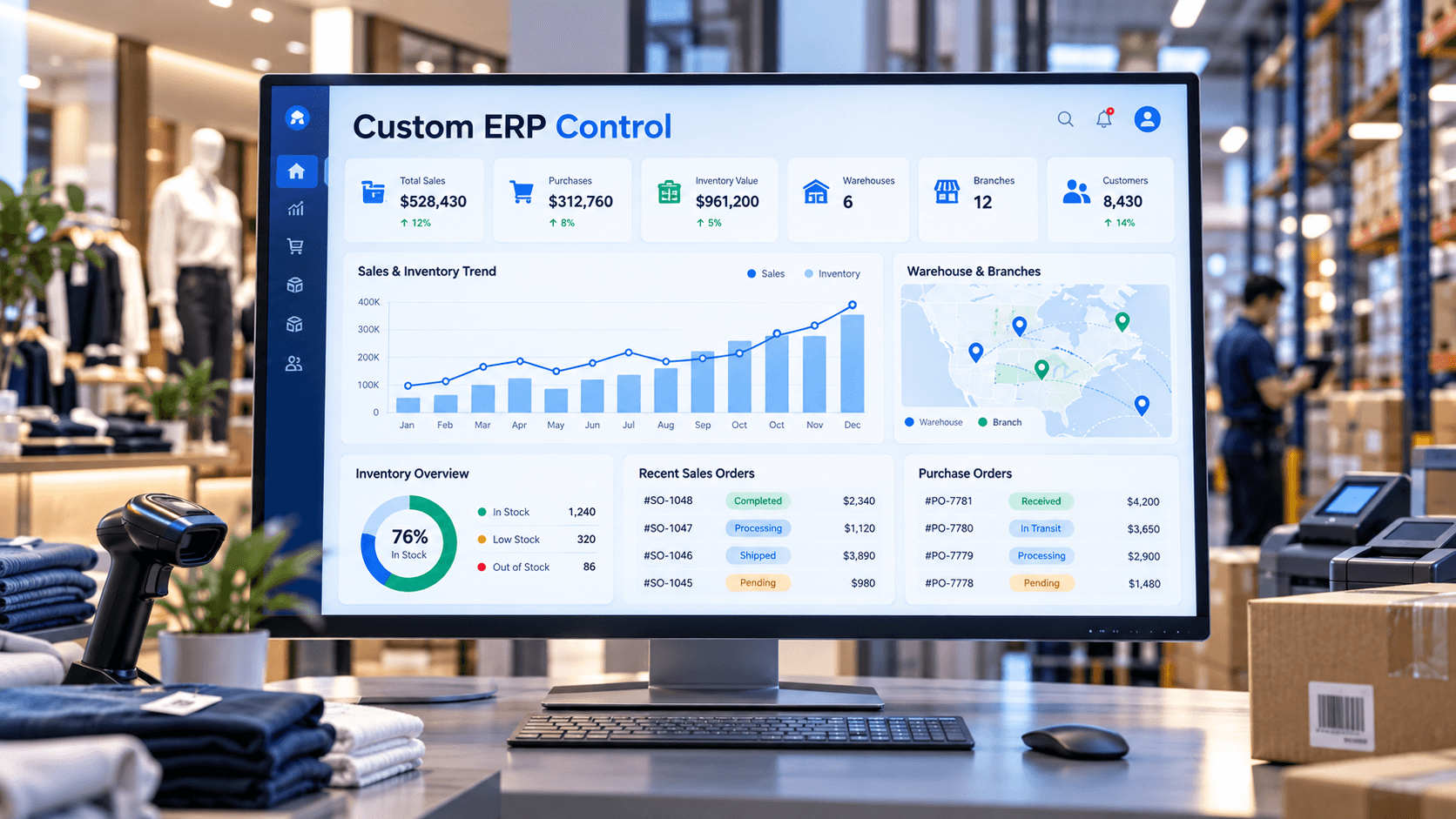
For example, businesses with specialized retail operations may need more than generic billing software and instead require an integrated POS, billing, ERP and inventory system.
7. Subscription Costs Grow Faster Than Business Value
Ready-made software usually wins on initial cost.
But the starting price should not be the only comparison.
Consider the total cost of:
- subscriptions per user;
- premium modules;
- API access;
- integrations;
- third-party automation;
- additional storage;
- implementation consultants;
- manual workarounds;
- and productivity lost because systems do not communicate.
Custom software has a higher upfront investment, but businesses should compare costs over several years rather than comparing one development quote with one month's SaaS subscription.
Businesses evaluating budgets can review the custom software development cost guide or use a software development project cost calculator to establish an initial budget range.
Turn Manual Workflows Into Scalable Business Software Solutions
8. Growth Is Making Your Current System Harder to Manage
A workflow that works for five employees may collapse at fifty.
A process designed for one shop may not work across twenty locations.
Growing transaction volumes, additional users, larger datasets, new departments and more complex permissions can expose the limitations of software chosen during an earlier stage of the business.
Custom software can be architected around expected growth instead of forcing future operations into today's limitations.
Custom vs Ready-Made Software: Consider the Hybrid Option
The decision does not have to be build everything or buy everything.
For many businesses, the most practical solution is hybrid.
Keep established tools where they already work well. Build custom software around the processes that are unique.
A business might retain its accounting system but build a custom operations platform. It might keep its CRM while developing a customer portal, approval workflow or reporting dashboard connected through APIs.
This approach reduces unnecessary development while giving the business control where control matters most.
The Best Time to Build Custom Software
Custom software makes sense when the cost of working around existing tools starts becoming greater than the value those tools provide.
If your employees spend significant time copying data, preparing manual reports, checking multiple systems, fixing spreadsheet errors or adapting important workflows around software limitations, the business may already be paying for custom software just indirectly through lost productivity.
The goal is not to replace technology simply because something newer exists.
The goal is to build a connected system that supports the way the business actually operates.
Before making the decision, map your workflows, identify repetitive manual work, calculate the cost of existing subscriptions and inefficiencies, determine which systems must integrate, and define what the business may need three to five years from now.
If those findings show that generic tools are becoming an operational constraint, it may be time to discuss your software project.
The best business software should not force your company to work around it.
It should work around your business.
Frequently Asked Questions
When should a business choose custom software instead of ready-made software?
A business should consider custom software when ready-made tools no longer fit its workflows, require too many manual workarounds, create duplicate data entry, limit integrations, make reporting difficult or become expensive as the business scales.
Is custom software better than ready-made software?
Custom software is not automatically better. Ready-made software is usually better for standard requirements and fast deployment, while custom software is more suitable for unique workflows, complex integrations, automation, scalability and business-specific processes.
How do I know if my business has outgrown Excel?
Common signs include multiple spreadsheet versions, manual report consolidation, frequent formula errors, duplicate data entry, difficulty controlling access, poor auditability and employees depending on spreadsheets for critical daily operations.
Can custom software replace multiple SaaS tools?
Yes. Custom business software can consolidate workflows handled by several SaaS products or connect existing systems through APIs so employees can work through a unified operational platform.
Should a business replace WhatsApp workflows with custom software?
If approvals, orders, customer records, operational updates or important business decisions are being managed through WhatsApp, structured software can provide better tracking, permissions, automation, reporting and accountability.
What are the main benefits of custom business software?
Key benefits include workflows designed around the business, automation of repetitive tasks, system integrations, centralized data, real-time reporting, role-based access, scalability and greater control over future functionality.
How much does custom software development cost?
Custom software development cost depends on features, user roles, integrations, platforms, workflow complexity, security requirements, reporting, design and long-term support. Businesses should compare total ownership cost rather than only initial development cost.
Can custom software integrate with existing business tools?
Yes. Custom software can often integrate with CRM, ERP, accounting, payment, inventory, communication, analytics and other platforms through APIs, webhooks or middleware.
Is a hybrid approach better than replacing every SaaS tool?
Often yes. A hybrid approach allows a business to keep proven SaaS tools for standard functions while building custom workflows, portals, integrations, dashboards or automation for processes that provide strategic value.
What should a business evaluate before building custom software?
Businesses should map current workflows, identify repetitive manual tasks, review software limitations, calculate SaaS and operational costs, define required integrations, prioritize features and consider expected growth over the next three to five years.