Headless CMS & XM Cloud: How Decoupled Architecture is Transforming Enterprise Digital Experience
In This Article
- Introduction
- What is a Headless CMS?
- What is Sitecore XM Cloud?
- Understanding Decoupled Architecture
- Why This Matters for Business
- How XM Cloud Uses Decoupled Architecture
- Business Benefits of Headless + XM Cloud
- Role of Content Hub ONE
- Headless CMS vs Traditional CMS
- Who Should Adopt XM Cloud?
- Internal Link (SEO Boost)
- Why This Matters Now
Introduction
Digital transformation is no longer optional—it’s a business necessity.
For enterprises, the challenge is not just managing content, but delivering fast, personalized, and scalable digital experiences across multiple channels.
This is where Headless CMS and Sitecore XM Cloud come into play.
They represent a shift from traditional systems to a modern, decoupled architecture that drives performance, flexibility, and business growth.
What is a Headless CMS?
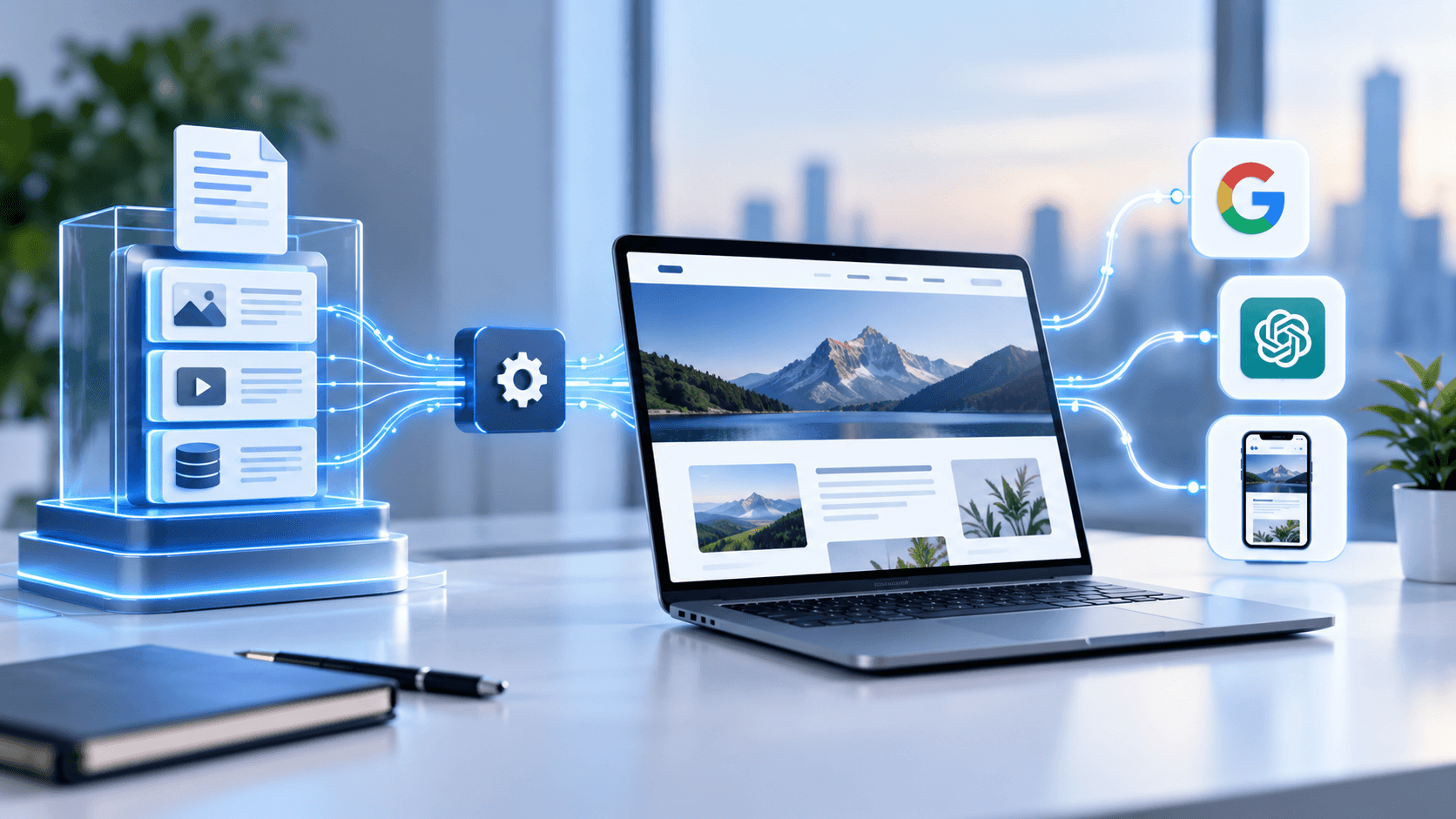
A Headless CMS separates:
- Backend (content management)
- Frontend (presentation layer)
Instead of tightly coupled systems, content is delivered via APIs to any device or platform.
Business Impact:
- Faster website performance
- Flexibility across channels
- Improved customer experience
What is Sitecore XM Cloud?
Sitecore XM Cloud is a SaaS-based headless CMS designed for modern digital experience delivery.
Unlike traditional CMS platforms, XM Cloud offers:
- Cloud-native infrastructure
- Headless content delivery
- Drag-and-drop page building for marketers
- Automatic updates (no upgrades required)
It empowers both marketing teams and business leaders to move faster without technical bottlenecks.
Understanding Decoupled Architecture
Deliver Faster, Scalable Experiences with Decoupled Architecture
What is Decoupled Architecture?
Decoupled architecture separates:
- Frontend (UI/UX)
- Backend (CMS, data, logic)
Instead of being tightly connected, they communicate via APIs.
Why This Matters for Business
Traditional CMS:
- Slow changes
- Limited flexibility
- High dependency on developers
Decoupled architecture:
- Faster innovation
- Independent scalability
- Better performance
How XM Cloud Uses Decoupled Architecture
With XM Cloud:
- Content is managed centrally
- Delivered via APIs
- Rendered on modern frameworks like Next.js
This creates a high-performance, scalable digital ecosystem
Business Benefits of Headless + XM Cloud
1. Faster Time-to-Market
Launch campaigns and updates quickly without backend dependency.
Stay ahead of competition.
2. Improved Performance & SEO
Decoupled architecture ensures:
- Faster page load
- Better user experience
- Higher search rankings
3. Omnichannel Experience
Deliver content across:
- Websites
- Mobile apps
- IoT devices
One content source, multiple channels.
4. Scalability for Growth
Easily expand:
- New markets
- New platforms
- New experiences
5. Reduced Operational Complexity
XM Cloud handles:
- Infrastructure
- Updates
- Maintenance
Lower cost, higher efficiency.
Role of Content Hub ONE
Content Hub ONE is built for:
- Agile content creation
- Omnichannel delivery
- Scalable content operations
It complements XM Cloud by enabling:
- Faster content workflows
- Better collaboration
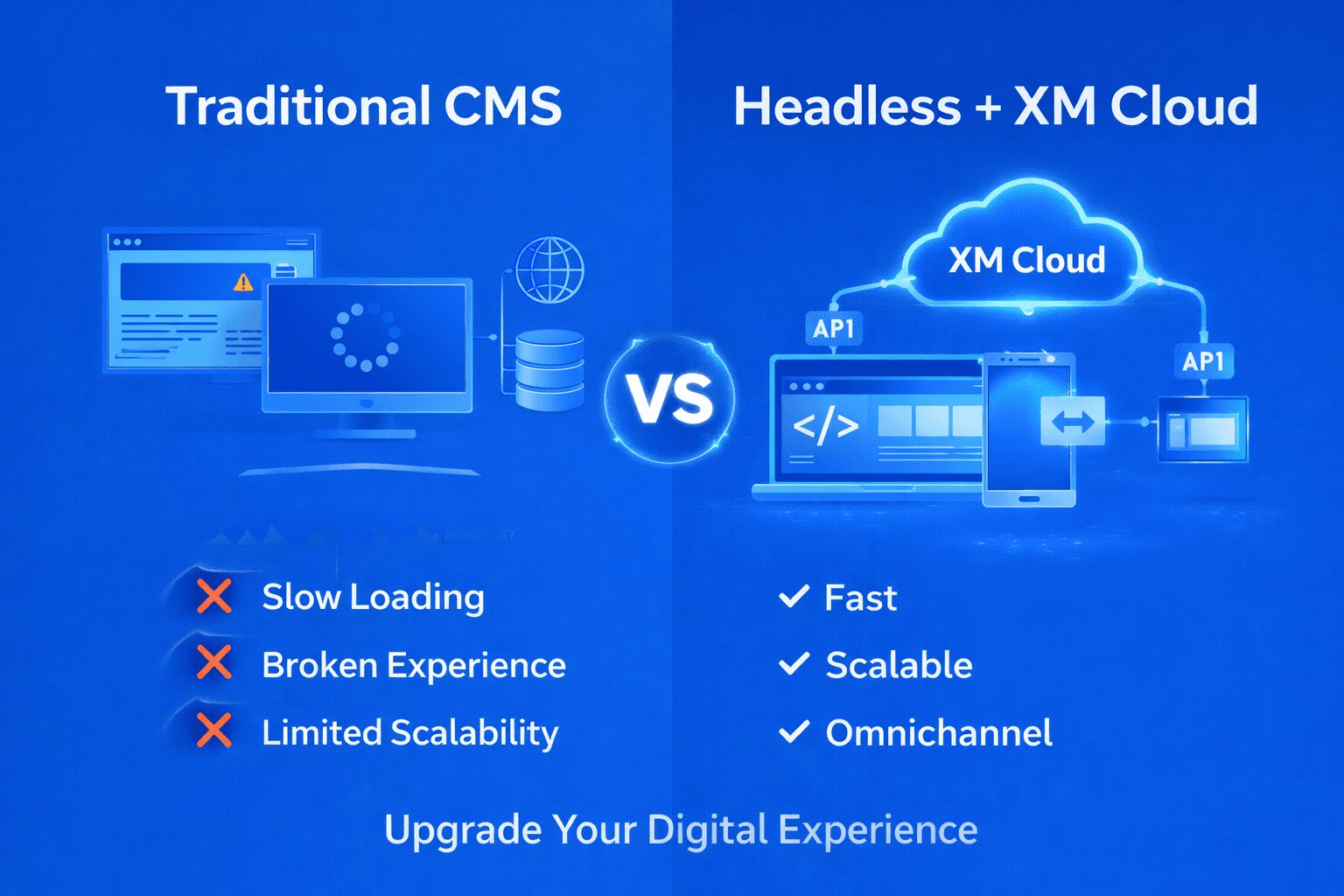
Headless CMS vs Traditional CMS
| Feature | Headless CMS | Traditional CMS |
| ----------- | ------------ | --------------- |
| Flexibility | High | Limited |
| Performance | Fast | Moderate |
| Scalability | High | Limited |
| Omnichannel | Yes | No |
Who Should Adopt XM Cloud?
XM Cloud is ideal for:
- Enterprises
- Fast-growing businesses
- Digital-first companies
Especially those needing:
- Scalability
- Personalization
- Faster delivery
Internal Link (SEO Boost)
Looking to implement XM Cloud?
Explore our Sitecore CMS development services
Why This Matters Now
The shift to headless and SaaS CMS is accelerating.
Businesses that adopt early:
- Deliver better experiences
- Scale faster
- Gain competitive advantage
Planning to move to a headless CMS or XM Cloud?
Get expert guidance on architecture, migration, and implementation.
- Free consultation
- Enterprise-ready solutions
- Faster delivery
Let’s build your future-ready digital platform.
Frequently Asked Questions
What is Headless CMS & XM Cloud: How Decoupled Architecture is Transforming Enterprise Digital Experience?
Discover how Headless CMS and Sitecore XM Cloud enable decoupled architecture for faster performance, scalability, and enterprise digital experience.